
Energy efficiency of homes in Spain: why it affects comfort and price
A seaside apartment can be cold and damp in winter and overheat in summer, even if the renovation looks new. When buying a home in Spain, it is worth assessing three things separately: the energy certificate, the building’s condition and the costs for your intended pattern of occupancy. Neither the letter in the listing nor last year’s electricity bill alone gives a complete answer. What the energy […]
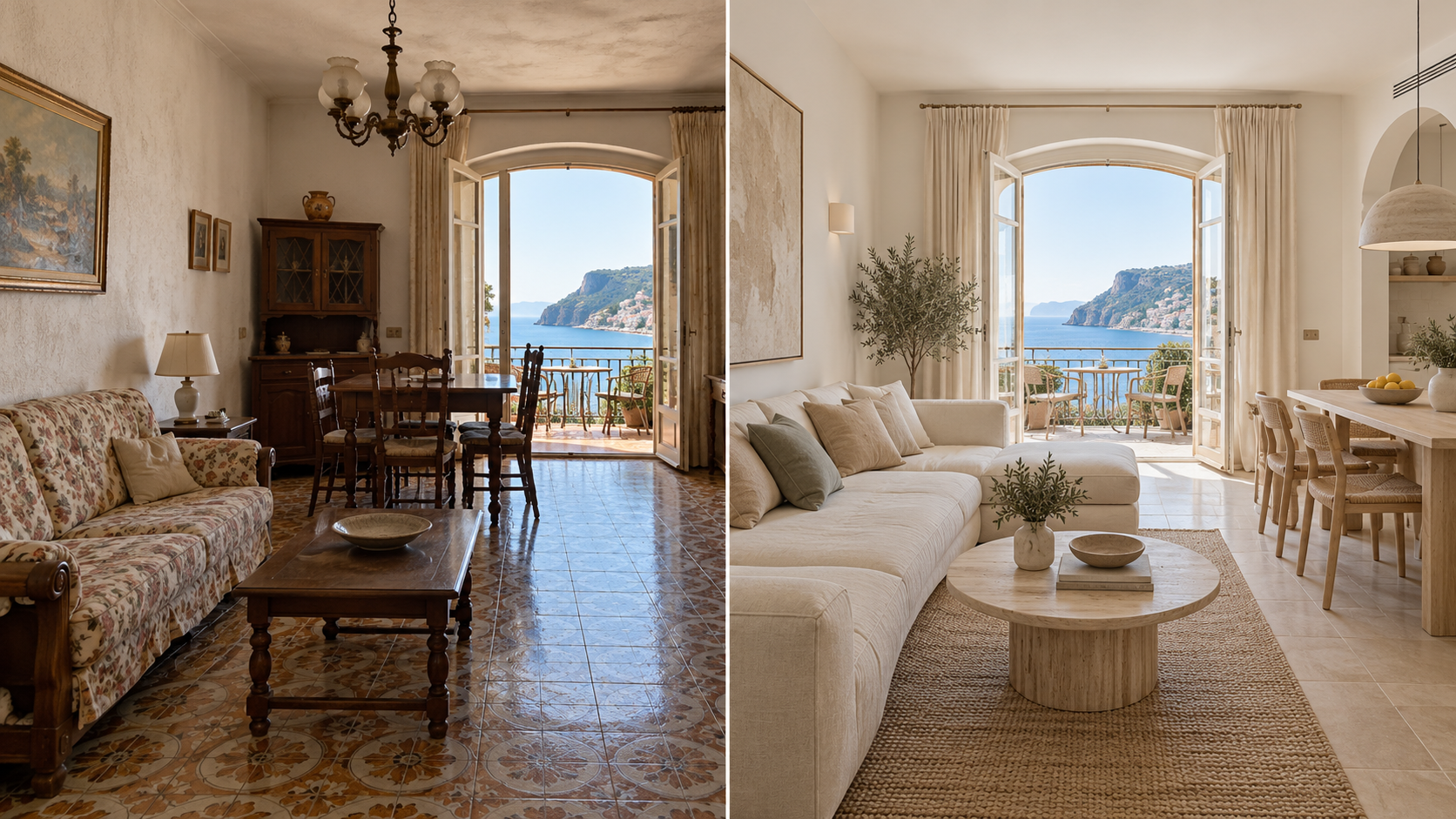
A coastal apartment can be cold and damp in winter and overheat in summer, even if the renovation looks new. When buying a home in Spain, it is useful to assess three things separately: the energy certificate, the building's condition and costs under your own occupancy pattern. Neither a letter in a listing nor last year's electricity bill gives the full answer on its own.
What the energy certificate shows
The certificado de eficiencia energética, or CEE, describes the energy characteristics of a specific building or part of it. The official form uses indicators for non-renewable primary energy consumption in kWh per square metre per year and CO₂ emissions in kilograms per square metre per year. Each indicator has its own rating on a scale from A to G. Therefore, asking ‘please send the energy rating’ should mean receiving the full label and document, not a single letter in an agent's message. The indicators and label contents are explained by MITECO.
The primary energy figure cannot simply be multiplied by floor area and the tariff to obtain a future bill. It accounts for energy before it is delivered to the end user; the calculation conditions differ from a particular family's real life. The certificate is primarily for comparing characteristics, while payments also depend on occupancy periods, room temperatures, equipment and the energy supply contract.
Which documents to request before buying
- The full CEE, label and proof of registration in the relevant autonomous community.
- The address, cadastral reference, issue date and validity period: they must relate to the property being purchased.
- For a new build, clarification of whether the document relates to the design or the completed building.
- The improvement recommendations section: what is proposed for replacement and which input data the specialist used.
Under Real Decreto 390/2021, Articles 13, 15 and 17, the maximum certificate validity is ten years, or five years for a G rating. For the sale of an existing home, the registered certificate and label are to be attached to the contract; advertising must include rating information. For a home under construction, the design and completed-building documents are distinct. If the seller cites an exemption, its basis must be checked for the building rather than accepting a verbal explanation.
Comfort starts with the building envelope
Before discussing air-conditioner capacity, find out why the apartment loses heat or overheats. The Catalan Energy Institute ICAEN highlights façade and roof insulation, efficient glazing, solar shading and the elimination of uncontrolled air leakage. These measures reduce heating and cooling demand; equipment then meets the remaining demand.
Windows, orientation and sun
During the viewing, note the direction of the windows in each living room or bedroom, the floor, external buildings that cast shade and the possibility of blocking the sun externally. Identical windows in a bedroom and living room can operate under completely different conditions. Panoramic glazing without well-planned protection needs a separate summer-comfort assessment. A sea view in itself says nothing about the thermal properties of the glass and frames.
Ask for the specifications of the installed window system, not just confirmation of ‘double glazing’. Inspect junctions, seals and reveals. Record signs of draughts, water streaks or condensation for the engineer. IDAE recommends considering window quality and using external solar shading, shutters and ventilation at suitable times of day. These recommendations cannot be used to infer a savings percentage for your apartment without an inspection.
Damp and ventilation
A damp smell, stains behind a cupboard or fresh localised paint deserve attention regardless of the CEE rating. Ask a specialist to establish the cause: condensation on a cold surface, insufficient air exchange and water ingress from outside require different solutions. Buying a dehumidifier should not automatically replace investigating a defect. More airtight windows must also be considered together with ventilation arrangements.
Check heating, cooling and hot water
Prepare an equipment list with models, ages and maintenance history. Establish which rooms the system actually serves: one unit in the living room does not mean the same temperature in every bedroom. Ask for a demonstration of the controls, and inspect filter accessibility, outdoor-unit positions and maintenance access. For hot water, clarify the system type and its ability to serve your family.
If the listing mentions aerotermia, request details of the installation and its functions: heating, cooling, hot water or only some of these. If there are solar panels, establish whether they belong to the property or the community, how generation is allocated and which documents confirm connection. A photograph of equipment on the roof does not answer these questions.
How to check actual costs
Ask for anonymised bills for a full year and an explanation of occupancy patterns. For a seasonal apartment, a few small winter bills may mean no one was there, not good insulation. Record kWh consumption and monetary amounts separately: a tariff change can alter the bill without changing the building's energy quality.
- Note the months occupied, number of people and systems used.
- Separate variable consumption costs from fixed charges.
- Clarify whether heating, hot water or communal installations are included in comunidad payments.
- Prepare your own scenario: year-round living, winter stays or summer holidays.
- With an engineer, assess consumption changes after specific works; with the supplier, assess the applicable tariff.
Compare apartments for the same purpose. Savings in a rarely used summer home and a permanent home may have different financial significance even when the technical improvement is identical.
Why the rating affects price negotiations but does not set a premium
What matters to the buyer is the cost of bringing the home to the required comfort level. An attractively priced apartment may need spending on windows and equipment; another may already have some of that work completed and documented. This is a reason to compare total costs, not to automatically assign a premium for an A rating or a discount for G. This article contains no verified sample of comparable sales, so it gives no percentage effect of the rating on market price.
A hypothetical calculation, not a market valuation: if agreed energy-saving works cost 12,000 euros and the expected net annual saving after additional costs is 600 euros, the simple payback is 20 years. With savings of 300 euros, it increases to 40 years. The figures are invented to explain the formula; the calculation excludes the cost of money, tariff changes and future equipment replacement. Comfort may nevertheless be an independent reason for renovation.
Which works depend on the whole building
Before buying, distinguish changes within the apartment from interventions in the façade, roof and communal building services. Request comunidad meeting minutes, adopted resolutions, quotations and information on expected contributions. Even technically sensible insulation cannot be considered a settled solution until approvals, cost allocation and timing are clear. An engineer should check the compatibility of individual measures: replacing equipment before understanding the future heating load sometimes means buying a system for conditions that are already becoming outdated.
Checklist before making an offer to the seller
- The CEE and registration have been checked; the property and validity period match.
- Bills are available with a clear usage pattern, not just a verbal amount ‘per month’.
- Windows, shading, the roof or façade, ventilation and signs of moisture have been assessed.
- The components, condition and maintenance of building services are understood.
- Necessary works have been divided into individual and building-wide works; quotations have been obtained.
- The price is compared together with improvement costs, without promises of fixed savings.
When choosing property in Spain ask for energy documents and equipment to be included in each property's comparison profile. This lets you discuss verifiable characteristics and a budget rather than an abstract ‘warm home’. Material checked on 23 October 2026; a technical opinion on a specific building is prepared by an appropriate specialist.
The material is for informational purposes only. Check the legal and financial terms of a specific transaction with relevant specialists.
Select real estateDiscuss with Laverna