Fire prevention at home in Alicante: an owner's checklist
A practical organisational checklist for homeowners: instructions, maintenance, questions for specialists and clear information for residents.
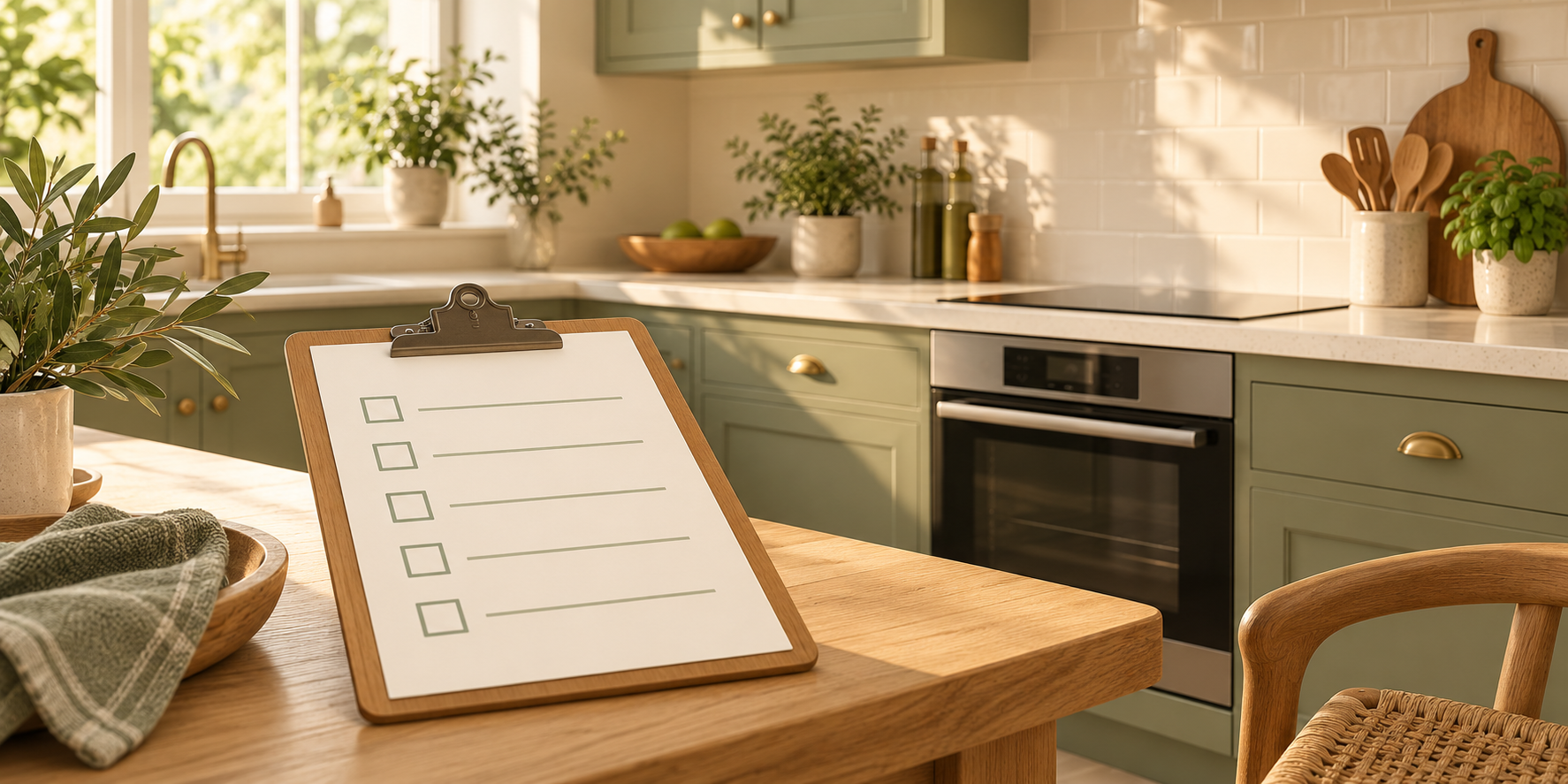
Neutral editorial AI illustration of a home safety checklist; it depicts no real apartment, incident or certified fire-protection system.
After buying an apartment in Alicante, attention usually goes to furniture, internet and everyday details. Fire prevention is easily postponed until appliances are connected, cupboards arranged and guests have arrived. It is more useful to include it in ordinary home organisation: understand what equipment is installed, where the instructions are, who handles maintenance and which questions need a professional. This is not a promise to eliminate fire, but a way to avoid overlooking obvious organisational gaps.
This article concerns preparation and everyday organisation, not DIY electrical repairs, firefighting or medical assistance. In a real emergency, contact the emergency service on 112 and follow its instructions. That is not the time to read a long article, collect documents or finish inspecting the home.
Three focus areas in Alicante's recommendations
Alicante's municipal prevention service highlights the kitchen, overloaded electrical connections and careless use of heaters near combustible items. Examples include forgotten cooking, grease in the extractor hood, unsuitable adapters and connecting high-powered appliances in a chain. Preventive maintenance of shared building areas is also highlighted. The page provides themed resources for homes and comunidades; its stated update date is 6 October 2026. Prevention recommendations from Ayuntamiento de Alicante.
These areas are a useful starting point for reviewing a home. They do not imply everything else is safe or replace equipment inspection. The age of the building, a recent renovation or neat finishes alone do not confirm the condition of hidden systems. For buyers, gathering understandable information matters more than presenting missing documents as proof that everything works.
Separate a household review from technical inspection
First decide what can be established without interfering with equipment. Reading an accessible appliance's label, finding its manual, noting a maintenance question and showing furniture positions to a specialist is one thing. Removing covers, opening electrical panels, altering connections or carrying out tests is another. This checklist concerns the first category and provides no qualification for the second.
Make three columns in your working table: what is known, what supports it and what needs clarification. Instead of “the extractor works correctly”, for example, write “model identified, manual found, maintenance documents requested”. This is more honest and more useful for the next action. If you do not know whether a task is routine household care or professional servicing, check the manual and ask a competent specialist first.
Do not turn the review into a demonstration: do not create smoke, simulate faults or connect extra appliances to test a load. Equipment is checked using its prescribed safe method, not a homemade experiment. For an unfamiliar system, record the model and request its standard checking procedure.
Kitchen: agree a routine before cooking for the first time
Start with a short introduction to the installed appliances. Find the hob, oven and extractor manuals and match the models to those in the apartment. If the previous owner left the documents, check that they concern the current appliances. A manual for a similar-looking model is not sufficient grounds for servicing.
Allocate household tasks: who looks after extractor care, where the manual is kept and how to report a problem. Do not set an arbitrary universal cleaning interval from this article: the conditions for the particular equipment must be checked separately. When several people use the apartment, clear responsibilities are better than a verbal promise that “someone will check”.
Official Comunidad de Madrid material recommends not leaving the hob on when leaving home, cleaning the extractor and using appliances according to their instructions. It also warns against temporary repairs to electrical appliances, overloaded sockets and heaters near furniture, curtains or drying clothes. These tips are presented here as general preventive information, not a list of mandatory Alicante rules. Official recommendations on fires in the home.
Prepare a short explanation of the hob controls for guests without overwhelming technical detail. Show the normal switch-off method from the instructions. If operation is unclear, obtain clarification beforehand rather than during cooking. This handover of information matters particularly after replacement: familiar actions for the old model may not suit the new one.
Electrical connections: record questions, do not repair
When arranging a room, list the appliances and intended places of use. Discuss the list with an electrician before the furniture layout is final. The aim is not to calculate the installation yourself or choose contracted power, but to show the professional your actual needs: where the workspace, kitchen, heater or other appliances will be.
If you constantly need adapters and extension leads, do not treat this as a final design solution. Record the situation and ask for a suitable connection method to be assessed. A photograph of the layout without people or personal information can help explain the task, but does not replace inspection. A photograph cannot confirm the condition of wiring inside a wall.
Keep details of completed work: who did it, exactly what was done and which documents were supplied. This is more useful later than “the electrics were changed recently”. If confirmation is missing, state that clearly. Do not remove protective components for a better photo or fix a defect with insulating tape or a random part following online advice.
Heaters and seasonal changes
Even a coastal apartment changes: a portable heater appears, the sofa moves or clothes are hung to dry. Before using seasonal equipment, reread its instructions and check whether its actual position meets the stated conditions. A general article cannot prescribe identical distances and restrictions for every model.
If the home has a fireplace or another unfamiliar system, ask a relevant professional for documents and an explanation of maintenance. A lack of visible debris does not confirm technical readiness. This overview must not replace a separate check of combustion appliances: ventilation, flue arrangements and other technical parameters require their own expertise.
In the family checklist, note who handles seasonal preparation and where the documents are. When storing an appliance, keep its manual or exact link with it. When passing it to someone else, provide information on known characteristics, not just the box. This is an organisational measure, not confirmation that it is in working order.
Shared building areas: ask the manager
Fire prevention does not end at the apartment door. Ask the building manager what information on shared systems and servicing is available to owners, who receives fault reports and how their handling is recorded. Do not independently open service rooms, inspect fittings or test shared equipment.
Record a specific observation, location and date rather than a general conclusion that “the whole building is dangerous”. An item in a shared passage and the technical condition of a door, for example, require different actions. Ask the responsible party to explain how the matter is handled. Do not move other people's equipment or change doors or building systems without the relevant authority.
Keep the manager's contact and a clear way to submit enquiries in your folder. This contact does not replace 112 in an emergency. Separate routine maintenance correspondence from emergency calls so that you are not looking for answers in a neighbours' chat under stress.
Detection equipment: buying it is not enough
Alicante's municipal page includes a separate resource on fire detectors. A box or an appliance on the ceiling does not answer the owner's practical questions: which model it is, where the instructions are, when and by whom it was checked and how to interpret its signals. This article provides no universal positioning plan or technical servicing procedure.
Discuss selection and placement with an appropriate specialist and check the device only by the manufacturer's prescribed method. Do not test it with open flame or deliberately generated smoke. If equipment is already installed, recover its information first rather than judging by appearance. Different people may need different alert methods; discuss those needs individually.
In the maintenance log, record the specific action and outcome rather than an indefinite “safe” mark. When replacing a device, update the model, instructions and person responsible for future checks. Preserve the old entry as history, but do not present it as information about the new device.
Prepare clear information for residents
Make a short note with the full address, apartment number and entrance identification if guests could have difficulty finding them. Do not include access codes or other information that should not be disclosed to outsiders in a publicly accessible note. Separately explain where instructions are and whom residents should inform about routine faults.
Check that the information is understandable to the people who actually use the home. Do not assume everyone reads Spanish, hears an alarm well or can use stairs independently. Discuss needs with the residents themselves without collecting unnecessary medical details. The specific arrangements for assistance and safe action should be agreed with competent professionals, not invented from a generic template.
Official recommendations distinguish a fire inside the apartment from a fire elsewhere in the building. This article therefore does not instruct you to “always leave” or “always stay”. In a fire, call 112, describe the situation and follow emergency services' instructions. The recommendations also say not to use lifts during a fire or delay for unnecessary belongings. A prevention note must not replace responders' assessment of the actual situation.
Resolve questions rather than build an endless list
After the initial review, divide entries into three groups: information obtained; document or explanation needed; professional work needed. Assign a next step and responsible person to each open item. A photograph of equipment or “we passed it to the technician” does not replace actually resolving the issue.
Once work is done, save its description and supporting documents. If furniture layout, appliances or use of the apartment changes, revisit the relevant items. This review is not a technical certificate and does not promise an absence of incidents, but it helps notice changes that might otherwise be overlooked.
When handing the apartment to a new owner or manager, include instructions, maintenance information and unresolved questions. Do not label a home “fully fire-safe” on the basis of a household checklist. An honest handover of known information is more useful than an unsubstantiated guarantee.
Sources and verification date
On 29 October 2026, we read the main page of Alicante's prevention service for homes and comunidades and the prevention sections of the official page from Comunidad de Madrid on fires in the home. The PDF attachments on Alicante's page could not be retrieved with the research tool used; their content is not reproduced here. Document organisation and task allocation are Laverna's editorial recommendations. No particular building, equipment or compliance with mandatory requirements was inspected for this article.
The material is for informational purposes only. Check the legal and financial terms of a specific transaction with relevant specialists.
Select real estateDiscuss with Laverna